


Three-Day LRLM Training Programme for Pashu Sakhis Begins in Kargil.
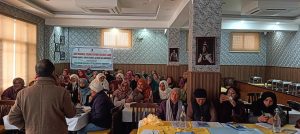
Three-Day LRLM Training Programme for Pashu Sakhis Begins in Kargil.
Kargil, February 02, 2026: The Ladakh Rural Livelihoods Mission (LRLM) commenced a three-day residential training programme to the cadres of LRLM Pashu Sakhi, aimed at strengthening livestock-based livelihood opportunities in the Ladakh region.
The inaugural day featured a welcome speech by LRLM BPM. SPM Fram Livelihood, Haseena Banoo gave an overview of the training or program and role of Pashu Sakhi in NRLM livestock service.
The training sessions were conducted by experts from the Animal Husbandry Department, Dr. Ibrahim and Dr. Asgar Ud Din, who served as resource persons for the programme.
The training opened with discussions on the role of animal husbandry in sustaining and enhancing rural livelihoods in Ladakh’s high-altitude and cold desert conditions.
Dr. Ibrahim addressed participants on scientific livestock management practices, improved breeding and feeding methods, animal health care, and the importance of integrating traditional knowledge with modern veterinary support to increase productivity and household income.
Dr. Asgar delivered a detailed session on housing and shed management for cattle, sheep, and goats, emphasizing the need for climate-resilient, low-cost animal shelters suitable for Ladakh’s harsh winters. He explained proper shed design, insulation techniques, ventilation, drainage, hygiene practices, and winter preparedness measures to prevent disease and reduce animal mortality.
Officials from LRLM highlighted that the three-day residential programme has been designed to build the capacity of community cadres and field staff so that they can effectively guide livestock-rearing households across remote areas of the region. The programme also reflects LRLM’s continued collaboration with line departments to promote sustainable and resilient livelihood models.
The first day concluded with interactive discussions, where participants shared field experiences and received expert guidance from the resource persons. More than 100 members participated in the sessions that took place in two batches.